


| 1.
How hard is it to install a SepAerator?
A SepAerator is relatively
simple to install. On average a septic system contractor could install
this product in a couple of hours, while a handy man homeowner might
take a little longer. A complete Owner’s Manual with installation
instructions comes with each SepAerator along with help if needed
by our technical support staff.
2.
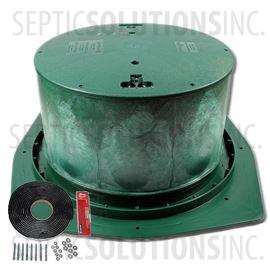
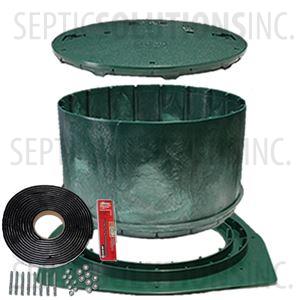
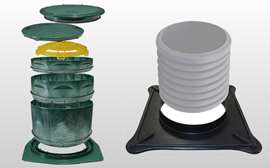
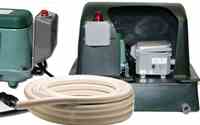
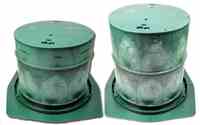
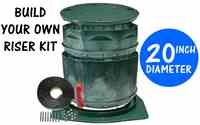
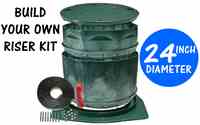
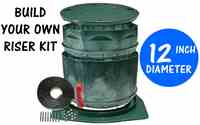
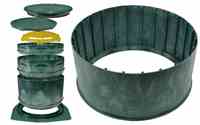
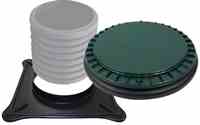
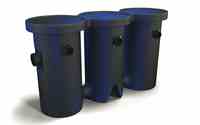
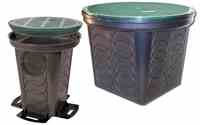
Do I have to install risers and lids on my existing septic tank
or can I just install the SepAerator components and cover them up?
Yes if you do not already
have access with existing risers and lids to your septic tank you
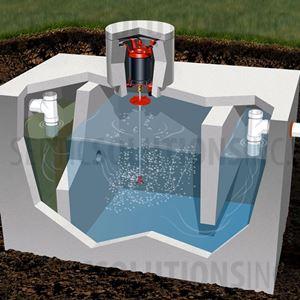
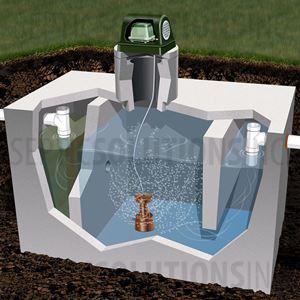
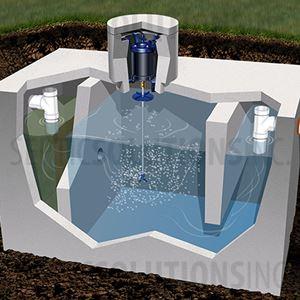
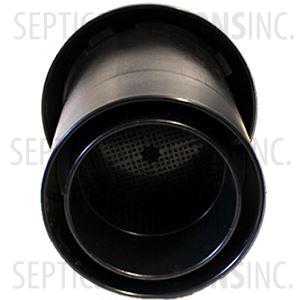
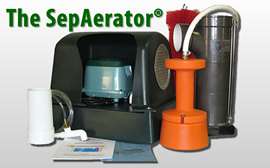
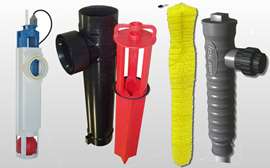
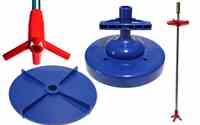
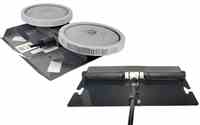
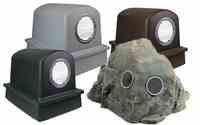
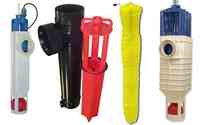
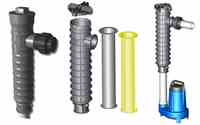
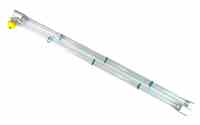
should install our riser and lid kit. The SepAerator™ Diffuser
assembly is installed in the first/inlet compartment of your septic
tank. Although you would very rarely need to remove the diffuser
for cleaning with a garden hose (probably at the same time you pumped
your tank, which should be every 3 to 5 years) it is important to
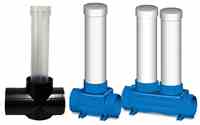
have access to it if needed. On the last/discharge compartment of
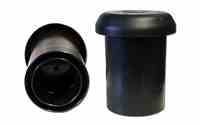
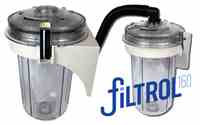
your septic tank our exclusive self-cleaning air filter would be
installed. Septic tanks designed with single compartments must have
this filtering device in order to eliminate the possibility of septic
sludge and/or particles from being forced into the secondary treatment
system by the constant movement of water caused by the SepAerator.
Although this filter is the only self-cleaning septic tank filter
on the market today, we would still recommend that it be removed
and washed with a garden hose approximately every 6 months. Two
and three compartment septic tank reduces the likelihood of any
particles exiting your tank because of the additional compartment
walls, however the SepAerator’s unique filtering assembly
provides a final polishing of the discharge, which is very important
step toward prolonging the life of an existing secondary treatment
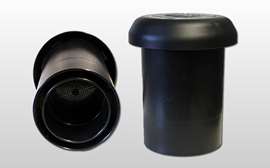
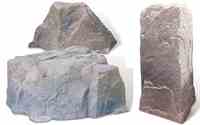
system or field. Note: If these risers
were a concern for mowing or cosmetics, a simple flowerbed or a
couple of bushes would make them virtually invisible.
3.
How much maintenance is necessary to keep the SepAerator functioning
properly?
The maintenance on a
SepAerator™ is simple and only takes a few minutes to perform.
You would need to clean the small filter located on top of the air
pump, with air or water, every 6 months. The septic tank filter
would need to be removed and washed with a garden hose approximately
every 6 months. Since this is a self-cleaning filter, under certain
conditions it wouldn’t be necessary to remove this filter
that often, but likewise under more heavy usage, such as extensive
use of a garbage disposal or larger than normal numbers of people
using the system, a more frequent cleaning could be necessary. With
the riser and lid access this cleaning process could be done in
a few minutes. The filter handle extends above the sewage line.
Simply grasp the handle and pull the filter out of its housing and
wash with a garden hose. Then reinstall filter back in the housing
and place lid back on tank.
4.
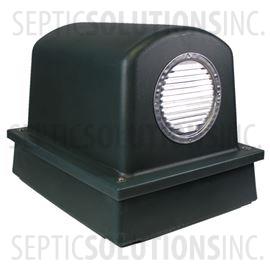
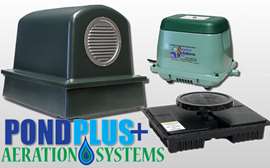
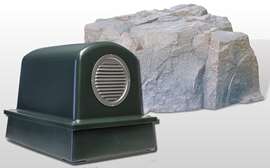
Can I remote locate the air pump and housing away from the Septic
Tank?
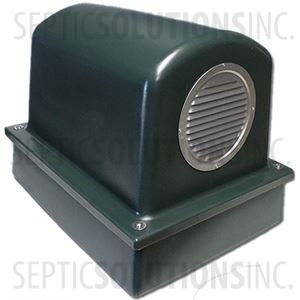
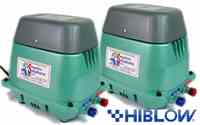
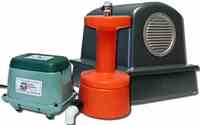
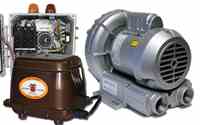
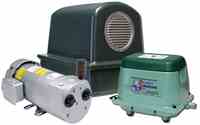
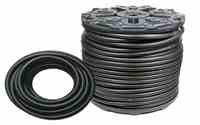
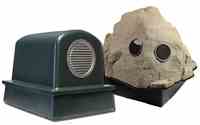
Yes you can. We recommend
that you keep the air pump within 80 feet of the Septic Tank. We
highly suggest that you keep the air pump by the septic tank, which
will eliminate the need to run extra air line, however we understand
that cosmetically you might prefer to hide it.
5.
Should I have my septic tank pumped before I install the SepAerator?
Although the SepAerator
will work very effectively and quickly in a septic tank that has
not been pumped, we believe that it is important to remove all of
the sludge that has built up in your septic tank over the years.
The SepAerator diffuser assembly is designed to sit solidly on the
bottom of the tank, which it cannot do if there is an excessive
amount of sludge build up.
6.
Will I ever have to pump my septic tank again, after I install the
SepAerator?
There has been a lot
of confusion and we believe misunderstanding in the marketplace
that once the dynamic of a septic tank is changed from anaerobic
bacteria (bacteria that grows in an environment without oxygen)
to aerobic bacteria (bacteria that needs oxygen to grow) than you
can save hundreds if not thousands of dollars because you will never
need to pump your septic tank again. This
is absolutely false. Although the SepAerator will
process waste in your septic tank to a clear and odorless discharge,
there will always be a buildup of sludge and other materials that
will not break down. Those would eventually have to be pumped out.
We have a company that has been in the aerobic and septic system
installation business for many years and service many thousands
of aerobic and septic systems. It is usually our recommendation
that either a septic tank or aerobic system be pumped every 5 years.
We hear it all the time that some of our customers brag that they
have had a septic tank for 10 years and have never had it pumped.
My response to them is “That
is why you have us here today looking at replacing your septic system.
If you would have had it pumped regularly it would quite possibly
have lasted much longer.” Pumping your
septic tank every 3 to 5 years as a matter of routine maintenance
is similar to changing oil in your car every 3 to 5,000 miles. You
don’t have too, however if you do not, the repairs to your
engine will usually cost far more than the initial expense of the
oil change.
7.
How soon will I be able to see results after I install the SepAerator?
Generally the discharge
from a septic tank will be clear and odorless within the first 2
to 4 weeks, after installing the SepAerator™. The clear and
odorless discharge will pass into your secondary treatment system
and begin working on the secondary treatment system immediately
with noticeable results within the first 4 to 6 weeks. These results
would include the water level in the septic system field dropping.
By allowing the SepAerator™ to continue running the field
or secondary treatment system will continue to clean itself by aerobic
bacteria breaking down the buildup of waste that passed from the
existing septic tank and is now clogging the secondary treatment
system. By means of aerobic bacteria processing the waste build-up
in the field, the life of that field should be extended by many
years. This will save you many thousands of dollars versus a new
septic system.
8.
What type of electrical power does the SepAerator require?
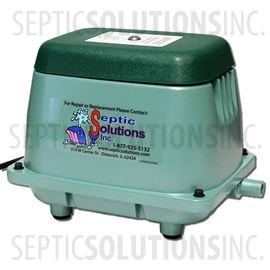
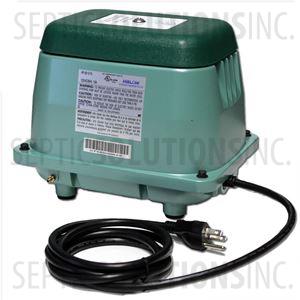
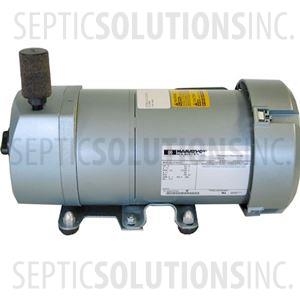
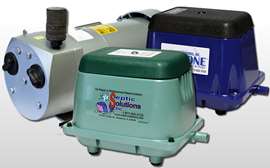
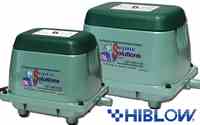
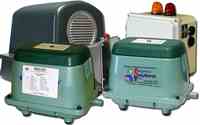
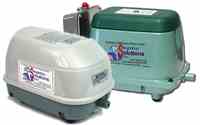
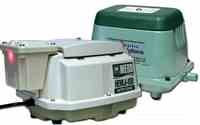
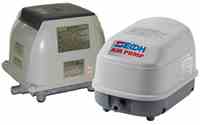
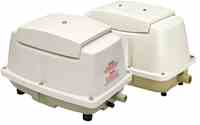
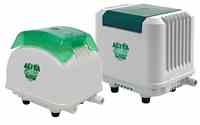
The SepAerator™
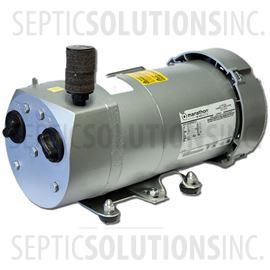
air pump uses less than 2 amps, which is approximately the same
as a household light bulb. The air pump simply plugs into a single
115v receptacle or weatherproof extension cord. Should you choose
an application that includes additional wiring please contact a
professional electrician. Electrical usage could be expected to
cost approximately $5.00 per month.
9.
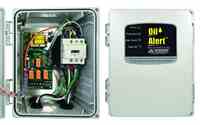
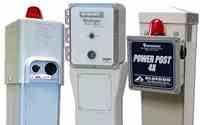
Should I order the optional alarm and control panel with my SepAerator
Basic package?
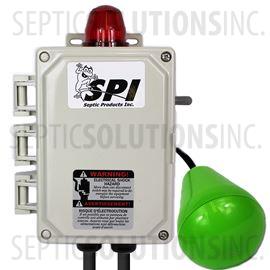
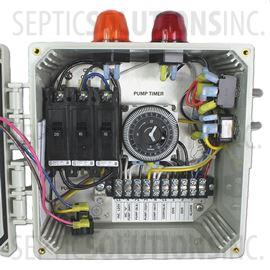
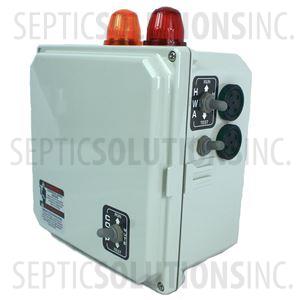
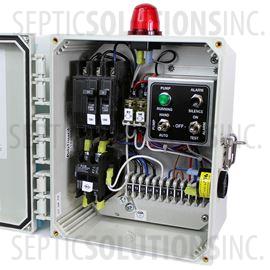
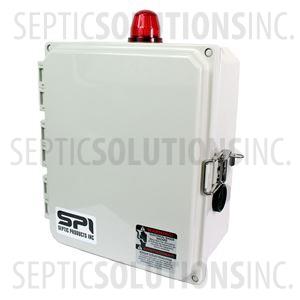
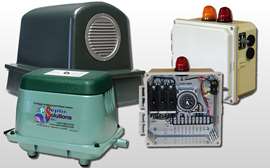
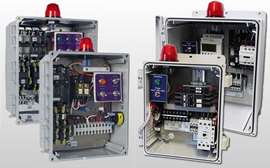
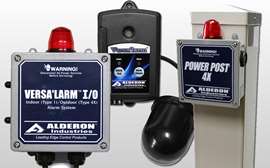
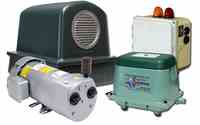
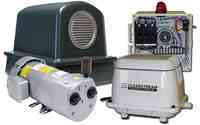
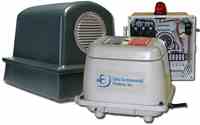
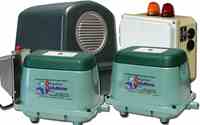
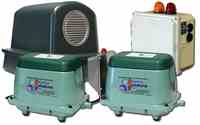
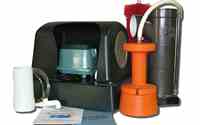
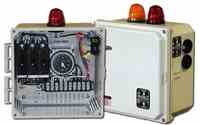
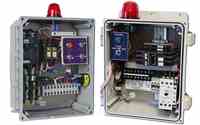
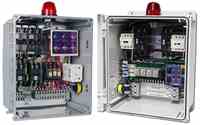
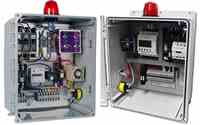
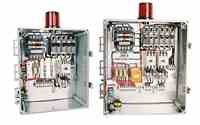
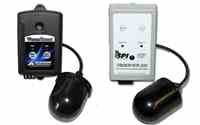
The alarm and control
panel is designed to alert you when the air pump experiences either
a drop in air pressure or a rise in air pressure. When the air pressure
drops there is a possibility that the air pump diaphragms are beginning
to wear out. We offer the best linear air pumps on the market, however
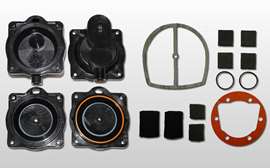
the diaphragms will need to be replaced on even these top of the
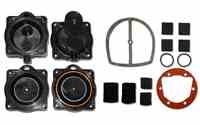
line pumps every 3 to 4 years. This is very simple to do, with diaphragm
kits available on our site. The alarm will also activate when the
pressure rises on the air pump, which usually means high water levels
in the septic tank. This can occur should the septic tank filter
need cleaning or if the water level is high in the secondary treatment
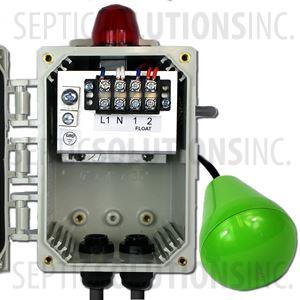
system. The separate control box contains a 115-volt receptacle,
on/off switch, reset button, and other key components. It can also
simply be plugged into a single 115v receptacle or weatherproof
extension cord. Since you are adding the SepAerator to an existing
system and improvements too your existing septic system will happen
quickly, an alarm and control panel would not be a necessity. Should
your air pump quit, many improvements and cleansing of the existing
secondary treatment system should have already happened. You system
would simply revert back to its anaerobic state, as it was originally
designed, until you repaired the air pump. The air pump could be
repaired immediately, or a year later when it could begin the cleansing
processes all over again. Note: We highly recommend that the air
pump is kept functioning and not turned off.
10.
Why should I buy the SepAerator instead of a competitive product?
The
answer to that is simple. The SepAerator™, (Septic tank aerator,)
was developed by people who have been in the septic system installation/maintenance
business for the past 16 years with a combined experience of more
than 50 years. We have extensive experience,
specifically in the aeration industry, and have been installing
and servicing aerobic systems as well as building aerobic systems
for the past 14 years. The purpose for developing the SepAerator™
is to provide those homeowners who have an existing septic tank
the opportunity to quickly and inexpensively modify their existing
septic tank system and take advantage of the latest aerobic technology
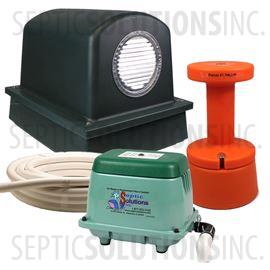
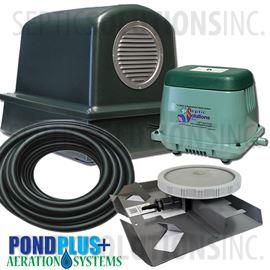
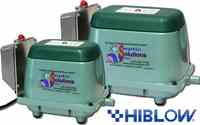
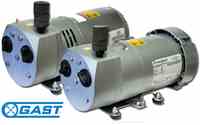
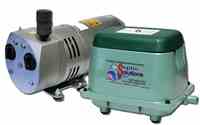
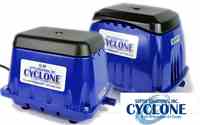
available today. The most important component necessary to change
the dynamic of a septic tank to the aerobic process is a proper
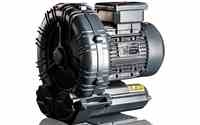
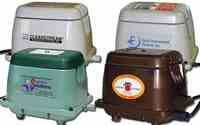
sized air pump. Most competitive systems offer much smaller air
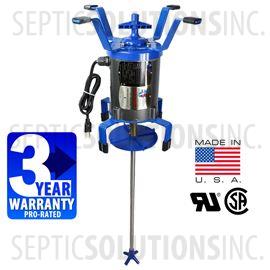
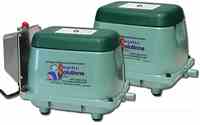
pumps than we believe necessary. The SepAerator™ utilizes
the most popular air pump and size in the aerobic industry today.
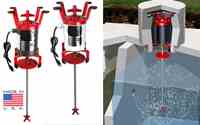
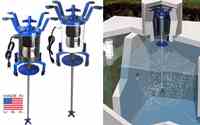
The second most important component is the diffuser assembly, which
provides adequate air distribution along with proper effluent circulation
to ensure the aerobic bacteria will be able to its job very quickly.
Septic Solutions, Inc. developed the SepAerator diffuser assembly
over many years with a simple but yet very effective design that
will work as expected with minimal maintenance. The final and a
very important component that sets our SepAerator far ahead of the
competition is our innovative self-cleaning filter assembly. When
the proper amount of air is added into a septic tank the effluent
will begin moving in the tank in a fashion similar to a whirlpool.
It is imperative that this movement does not cause any premature
discharge of particles from the septic tank into the existing field
or secondary treatment system. This is especially important if you
have a single compartment septic tank. This can be accomplished
with the addition of the right
type of septic
tank filter. Most septic tank filters can cause
additional problems such as the need to clean the filter very often,
and/or allow small particles to still pass through some types of
filters. Septic Solutions, Inc. has addressed this through extensive
testing and over time have developed our self-cleaning fixed media
filter. This is the only one of its kind. It is very Easy to Install
and Simple to Maintain.
You can rest assured that all of the components that make up our
SepAerator™ are top-notch quality
products that have been tested and proven by Septic Solutions,
Inc. to be reliable in the field, ensuring years of trouble-free
service. Only the best of the best components
make up our SepAerator™.
Why pay thousands of dollars for
some competitive products, or perhaps as much as $10,000 for a complete
septic system replacement, when you can add a SepAerator™
for a fraction of those costs? Proven to be
very effective, developed by people with more than 50 combined years
in the septic system industry, why not let the SepAerator™
turn the primitive technology of your septic tank into a versatile
wastewater-processing machine and extend the life of your septic
system by many years? We are so confident in this product that we
offer a 100% MONEY BACK Satisfaction Guarantee.
You simply have no risks when trying the SepAerator™ while
the Rewards will be Great! For further details please call and talk
to one of our knowledgeable technicians.
Septic Solutions, Inc. highly recommends
that when you purchase products via the internet you should be aware
that there are individuals or companies that attempt to duplicate
successful companies and sell similar looking products, even though
those types of companies have little if any background in the wastewater
industry. We suggest that you should Beware of companies that:
a) Do not provide you with any company history on their site.
b) Do not provide any phone numbers where you can talk to experienced
technicians.
c) Do not explain anything about the products they offer
d) Offer only one or two products on their site
e) Do not present company policies including warranty information
Sites
containing very little information about the products they offer
are generally the type of sites you should avoid. Extremely cheap
and unnamed products are usually exactly that.
Learn
How to Evaluate Web Sites:
Checklist of Questions
to Consider When Examining Web Sites
Authorship/Source
• Who is the author?
• What are the author's credentials?
• Who sponsors the site?
• What type of organization is it?
• Is there a statement of intent or mission?
• Is contact information provided?
Currency and Site Maintenance
• When was the web page created?
• When was it last modified?
• Is there evidence that the content has been recently updated?
• Are the sites linked reliable?
Point of View
• What is the site or page's purpose?
• What is the bias: stated, implied, or evident from your
reading?
• Who is the intended audience?
• What type of language is used in the text?
• Is there advertising?
Accuracy
• Are there bibliographic citations, links to other sites,
or other means for you to verify
information on the site?
• Are errors evident in the content (statements you know to
be untrue) or form
(misspellings, etc.)?
Design and Structure
• What type of page and site is this: a mailing list post,
a published article, a
company's promotional site, a personal page, or an organization's
informational site?
• Is it easy to navigate?
• Do graphics and software applications on the site serve
a useful purpose?
• Does the site require a password or fee?
Relative Value
• What is the value of the site's information relative to
other sources (print as well as
web-based)?
• Does the site contribute to original knowledge or a unique
perspective?
• Is this site more useful than others for your particular
need?
Credit Card Fraud
• Ensure a site is secure and reputable before providing your
credit card number online.
• Don't trust a site just because it claims to be secure.
• If purchasing merchandise, ensure it is from a reputable
source.
• Promptly reconcile credit card statements to avoid unauthorized
charges.
• Do your research to ensure legitimacy of the individual
or company.
Beware of providing credit card information when requested
through unsolicited emails.
|